How to cook meat so it isn’t dry
Juicy meat is not a matter of luck, but of technique – temperature control, proper preparation and understanding the differences between the muscle structure of poultry, pork and beef. Every type of meat requires a different approach. Here are the three most problematic cuts – chicken breast, pork loin and steak – along with methods that guarantee they stay tender and moist.
Chicken breast – poultry
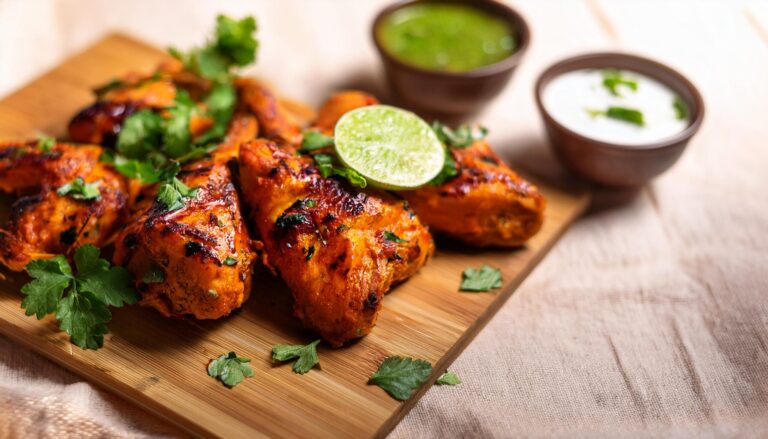
Chicken breast has very little fat, which means the number one mistake is frying or roasting it for too long. To keep the meat juicy, it is worth starting with a brief evening out of its thickness – a gentle pounding ensures even heat treatment. The next step is a marinade, ideally with an acidic ingredient: yoghurt, buttermilk, lemon or rice vinegar. The acid loosens the meat fibres and increases water retention.
When frying, keep the heat at medium or medium-low. The breast needs a target temperature of about 70–72°C, so it is worth using a kitchen thermometer. After removing it from the pan, be sure to let the meat ‘rest’ for a few minutes – the juices will spread evenly and will not run out when you cut it. In the oven, cooking covered or in a roasting bag will work well – steam acts like a natural moisture preserver.
An excellent choice for frying poultry meat will beZwieger frying pan.
Pork loin – pork
Pork loin is another lean meat that easily turns into a dried-out sole without protection. The key to success is marinating or using a brine – soaking for several hours in water with salt (and optionally a little sugar) increases the starting juiciness by as much as several percent. The second method is a brief sear over a high heat to seal the surface, followed by longer, gentle roasting at a low temperature – about 140–150°C.
Pork loin handles cooking very well in an ovenproof dish with added fat, stock or vegetables. This creates a steam-and-fat environment that protects the meat from drying out. If you are making breaded pork loin cutlets, remember that the key is not the breadcrumb coating alone, but control of the heat – medium heat and steady frying keep the meat inside tender, while the coating becomes evenly crisp.
Gerlach frying panis a frequent choice of professional chefs, including masters of pork loin cutlets.
Steak – beef
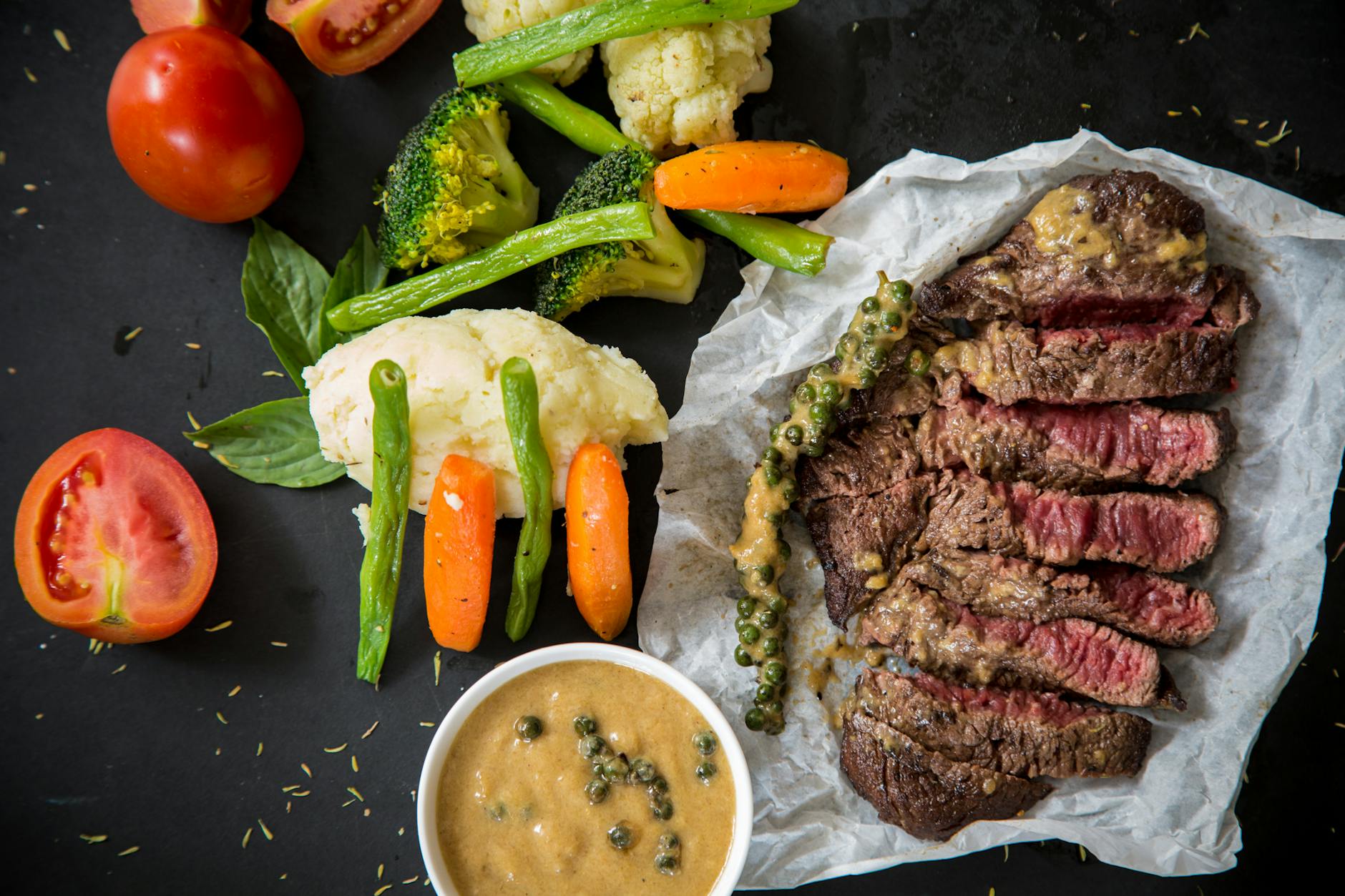
Beef has its own rules. The most important factor is the starting temperature – the steak must be left out of the fridge for 20–30 minutes before frying. Cold fibres contract sharply, releasing juice. The second rule: one intense fry + rest. We fry the steak briefly over a very high heat to achieve the Maillard reaction, which creates an aromatic, caramelised crust.
The degree of doneness has a direct effect on juiciness. The tenderest will be rare and medium rare steaks – around 52–57°C in the centre. After frying, the steak must rest for at least 5 minutes. During this time the meat fibres relax, so all the juice does not run out with the first cut. Do not cover the steak tightly – steam will ruin the crisp crust.
For beef, not just steaks,Ambition frying panis one of the better solutions.
Juicy meat is control, not chance
Every type of meat can be prepared perfectly if we understand its structure. We protect chicken and pork loin from drying out with marinades, brine and a gentle temperature. We treat beef the opposite way – briefly, but intensely, while making sure to rest it properly after frying. The common denominator in all these techniques is time and temperature. Once you master them, even the simplest meat will gain restaurant quality – juicy, aromatic and full of flavour.
Sponsored article